
Our Mission
Sanctuary Kwetu Kwenu follows the social teaching of the Church in its theological requirement comes to alleviate and integrate these migrants and Refugees into countries through Skills empowerment.
Our Story
The number of migrants, Refugees, and Asylum seekers who flock to South Africa, Johannesburg searching for a better life continues to
increase. They come from far-flung areas such as Limpopo, Musina, Polokwane Port Elisabeth, Durban, and even Countries such as the Democratic Republic of Congo, Zimbabwe, Mozambique, Malawi, Swaziland, Lesotho, Nigeria, Ethiopia and Somalia. Far from their expectation, these Men and women soon find out that is not as easy to integrate into society and find employment. With relatives or contacts, they soon find themselves forced to sleep in areas not suitable for Human habitation, such as under bridges or in unsustainable housing situations. From as far back as 2009, they have been knocking on the doors of Saint Joseph’s Catholic Church in Mayfair where Reverend Deacon Philippe Lukusa Lumpungu was Working asking for food, a peace job, and other things. Our assistance was in the form of cooked meals, blankets, clothes, and transport money when they find their first temporary employment or when they need to seek medical attention as toiletry and washing powder for clothes. With numbers increasing and with Rev. Deacon Philippe Lukusa moving to a different area, he thought of ways to continue helping them and that is how SANCTUARY KWETU KWENU (SKK) an NGO which is Swahili means Our Place is Your Place was then born in later April 2010.
After a few years of experience, in 2015 Reverend Deacon Philippe Lukusa Lumpungu recognized the need for support in the DRC-Katanga mining area. Children as young as 7 years old work eight or more hours a day in the artisanal and small-scale mines that dot the Katanga province of the Democratic Republic of Congo. It is one of the worst forms of child labor, due to the hazardous conditions and strenuous work. Most women who are there are widows as most husbands or partners have died in the mining and that lives widows also follow suit into mining and they also experience the same experience. More so the kids are now the people left to do the mining
As these young children age, they stay in the mines to earn fees for school or pocket money. Other children may be abandoned or orphaned and must work to pay their own way. Marriage before age 18 is common—in Katanga, 82.5 percent of respondents in the study said that girls marry during adolescence. Children who are married or who have become pregnant are expected to earn a living. The community considers them adults, even when the law says they are still children.
Sanctuary Kwetu Kwenu is facilitating a service to help these kids however possible. Sanctuary Kwetu Kwenu launched a branch in DRC-Likasi to assist with skills development for women, elder programs, health issues, agricultural development, shelter provisions, and education for the youth.
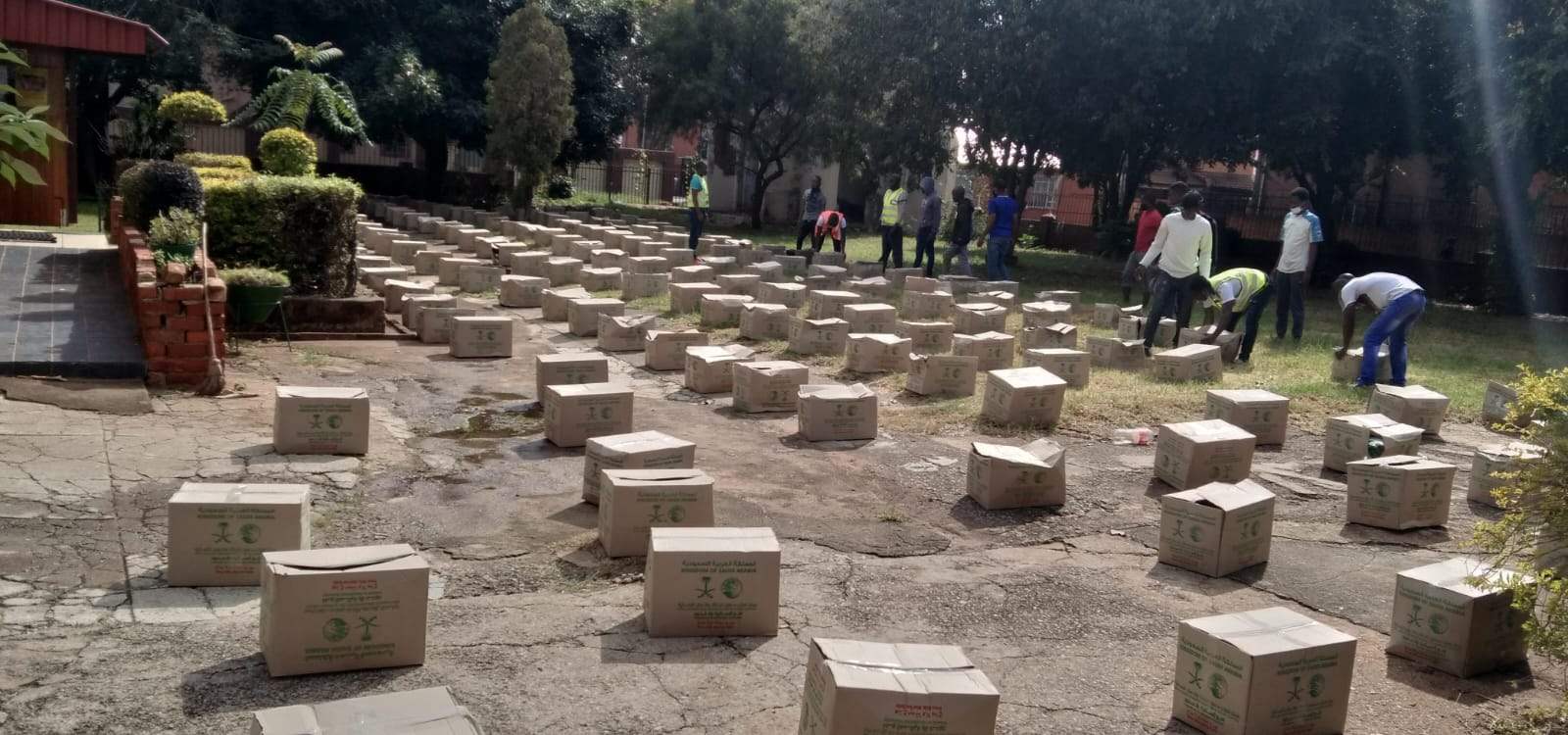
Skills Development
Refugee Assistance
Human Rights Protection
Provide shelter for Migrants & Refugees
Members
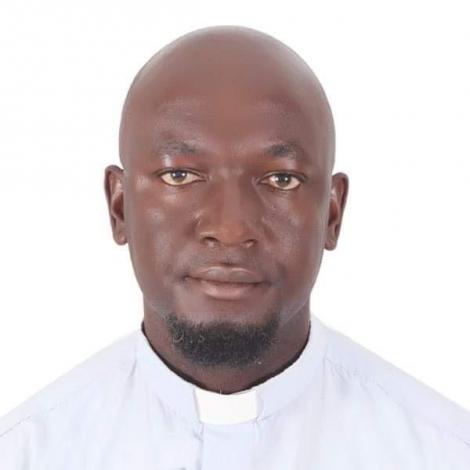
Rev.Deacon Philippe Lukusa
Chairperson
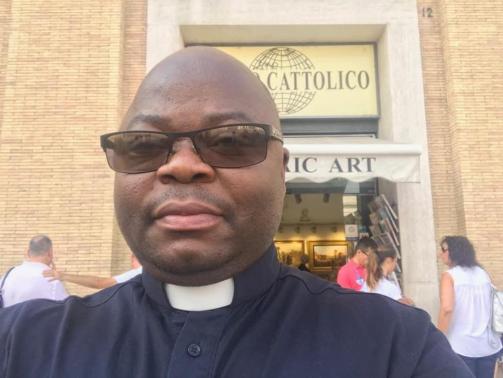
Rev. Father Jean Marie Kuzituka Didho
Deputy Chairperson
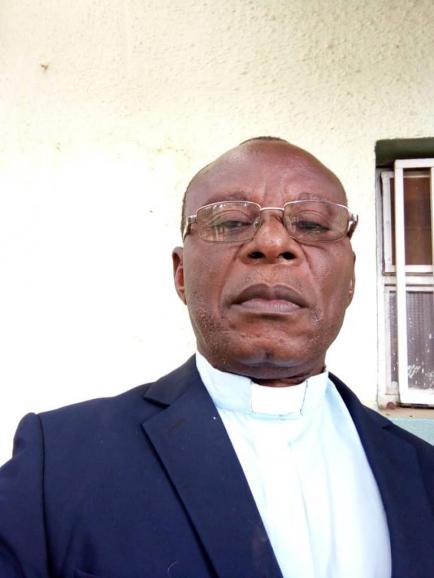
Father Gaspard Kamanda
Vice Coordinateur (Drc Project)
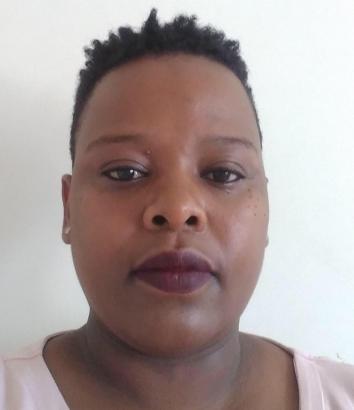
Mrs. Onela Ngxumeki
Treasurer(SA)
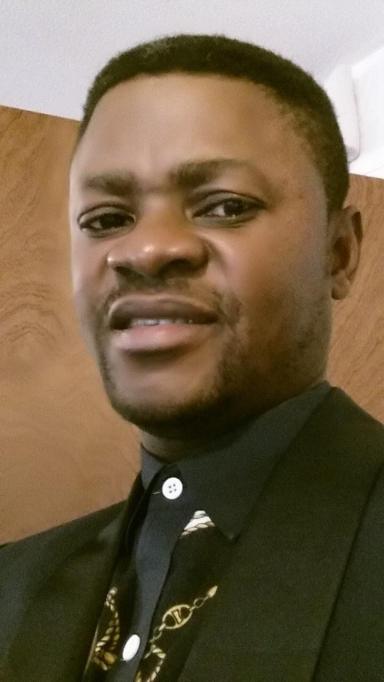
Mr. Samuel Baka
Communication & External Relations
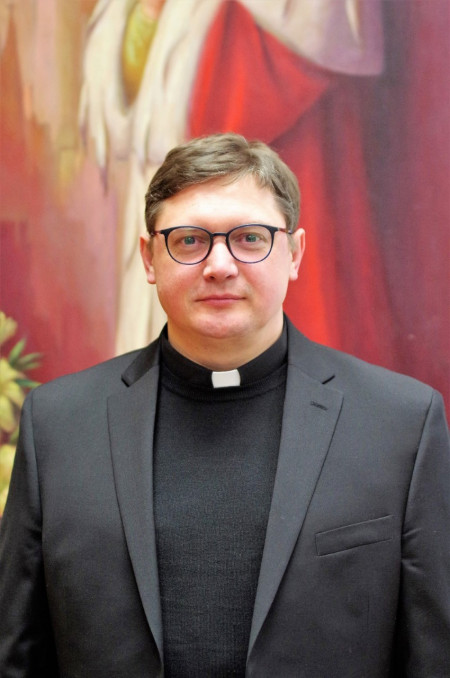
Rev. Father Vaidas Lukosevicius
Fundraiser
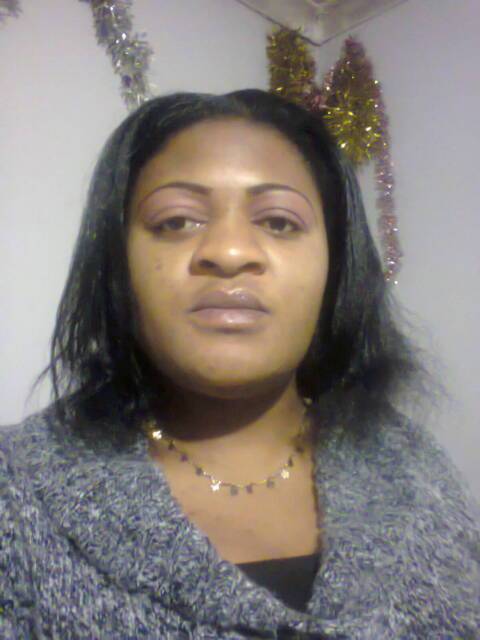
Ms. Christelle Bakaji Mujani
Human Resources (DRC Projects)
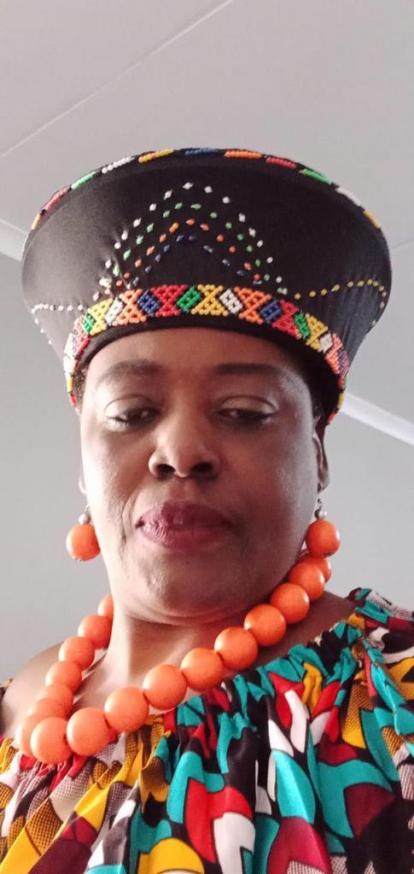
Ms. Bibiche Kambaji
Finance (SA Projects)
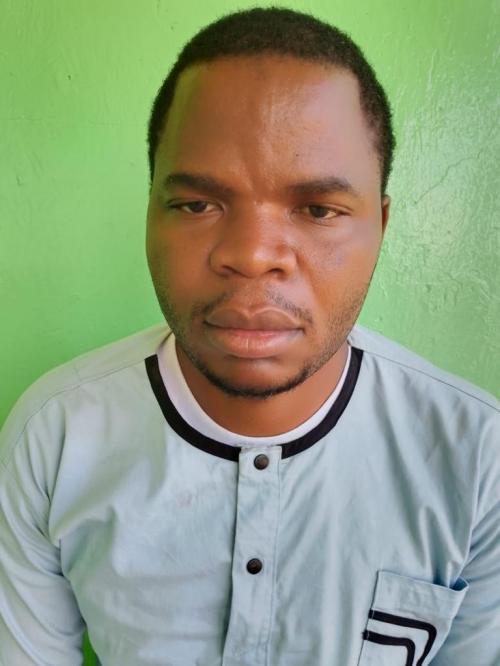
Mr. Celestine Mbuyi
Volunteer (DRC Projects)
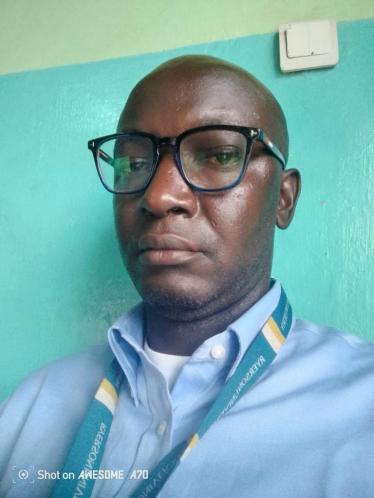
Mr. Bonaventure Kalombo
Coordinateur (DRC Projects)
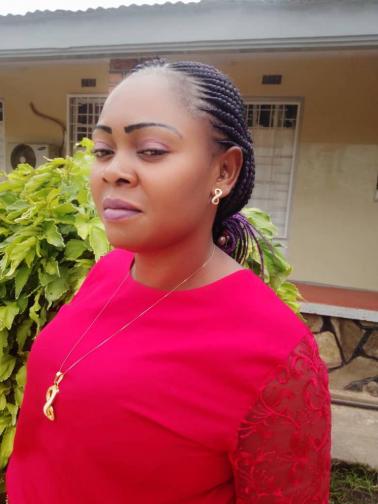
Ms. Charleine Yabadi
Volunteer (DRC Projects)
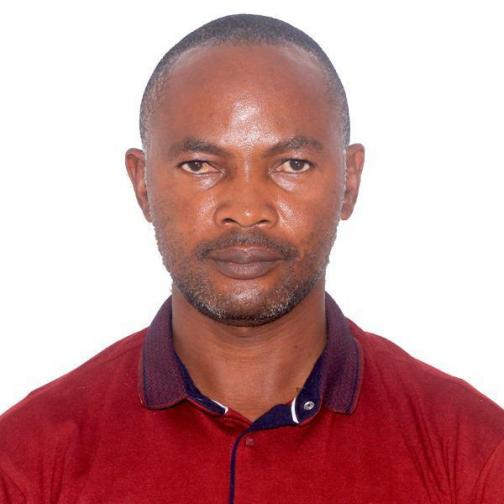
Mr. Justin Kalonda
Treasurer General (DRC Projects)
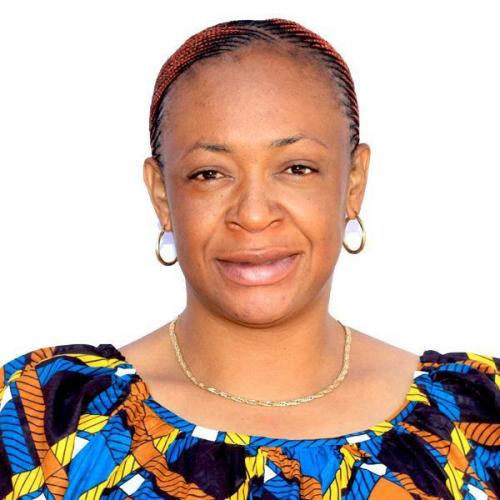
Ms. Bintu Cecile
Training Administrator (DRC Project)
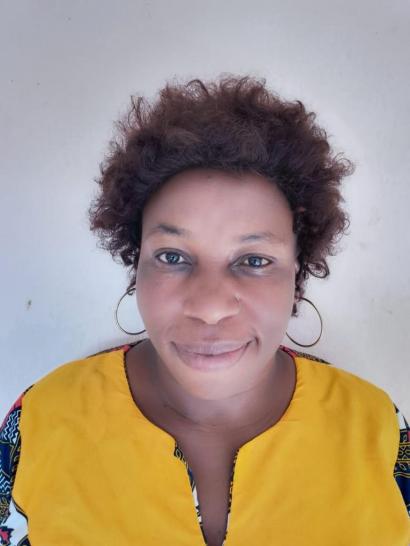
Ms. Sylvie Kabanga Kabunda
Volunteer (DRC Project)
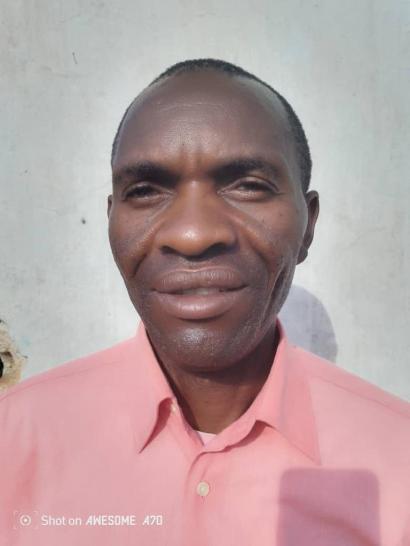
Mr. Donatein Mutombo Mpanga
Volunteer (DRC Project)
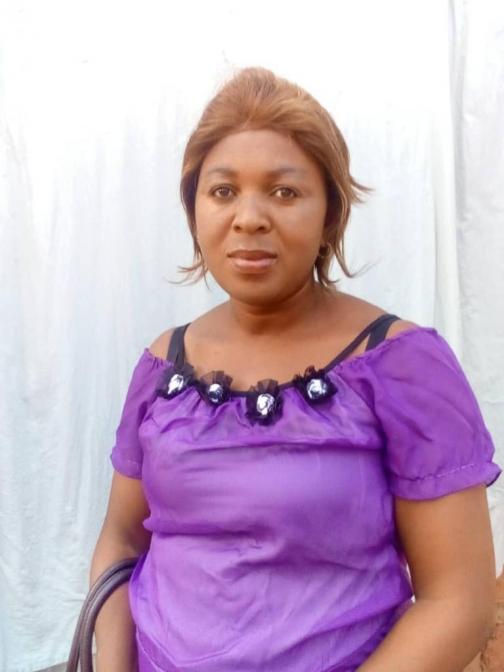
Ms. Tshilemba Marie Ange
Vice Trésorier General (Drc Projects)
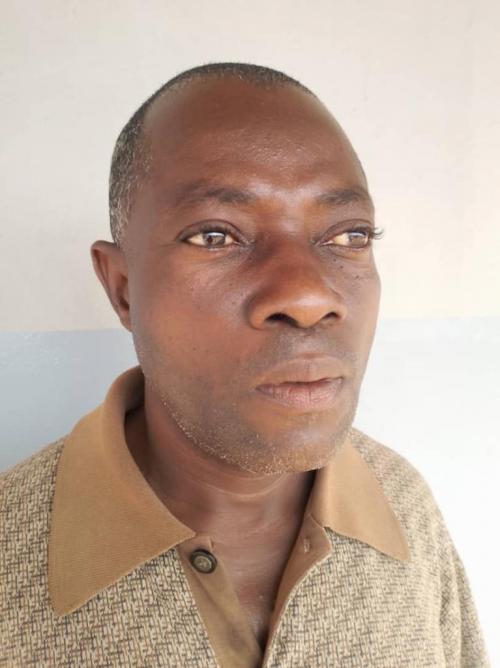
Mr. Ngeleko Fumungombe Godefroid
Volunteer (DRC Project)
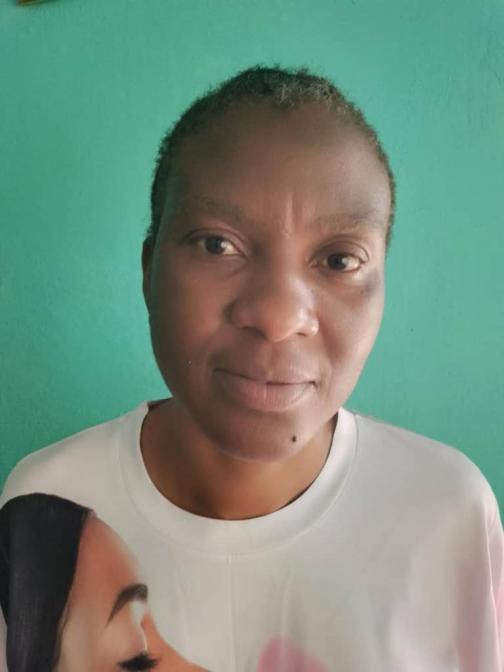
Ms. Sidonie Tshisaka Ngoie
Volunteer (DRC Project)
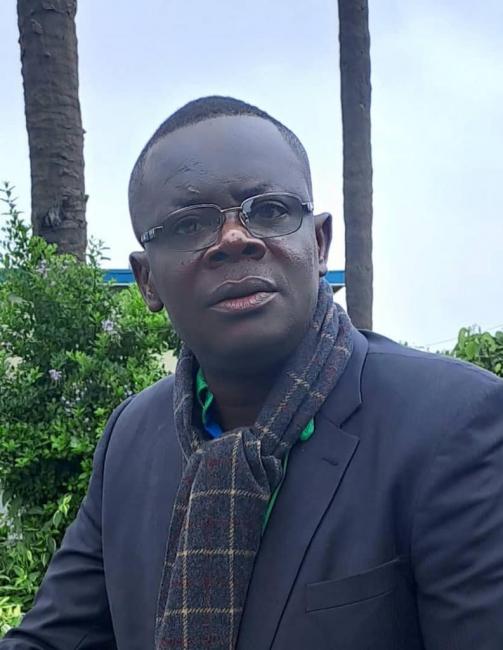
Mr. Grégoire Tshibingu Kabadi
Volunteer (DRC Project)
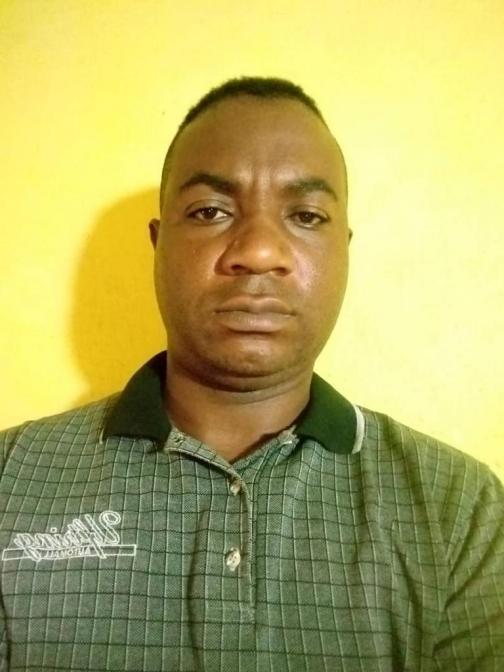
Raphael Kabeya
Volunteer (DRC Project)
PBO NO: 930062091
NPO NO: 206-862
Association Inc. Under Section 21
Not for Gain.
Projects
You will find the latest information about the work we have done on this page. Our NPO is constantly evolving and growing. Our mission is to provide the best solution that helps Refugees, migrants, and displaced people.
Our Skills Development Programs for Women
DEMOCRATIC REPUBLIC OF CONGO
LIKASI PROJECT
DRC, Likasi children are forced to work in the mining fields, not attending school. The kids do not have access to proper education and learning material. Our branch is there to facilitate any help possible to assist these kids in developing in a normal way.
Refugees Day
outreach PROJECT-Mayfair (rsa) - 2020
Soup Kitchen
We are running a soup kitchen between Monday and to Friday help the homeless people around Mayfair Johannesburg
Adressing in Mayfair Centre (Johannesburg)
OUR PARTNER GOVERNMENT DEPARTMENTS
_logo.svg)
Need to talk to us?
Phone:
DRC PHONE:
SA PHONE:
E-mail:
info@sanctuarykwetukwenu.ca
philippelukusa@sanctuarykwetukwenu.ca
DRC ADDRESS:
2 Avenue, Kasa-Vubu
Quartier Zoute, Commune De Lekasi
High Katanga
SOUTH AFRICA ADDRESS:
141 Sangiro Road, Elandspark
Johannesburg, Gauteng
2197

Chat to us on facebook